Mixing a geometric sans-serif like Space Grotesk with a classic serif creates a distinct visual tension. This combination works well for luxury brands because it balances modern accessibility with traditional prestige. The sans-serif brings a clean, digital-friendly structure, while the serif adds heritage and elegance. When done correctly, this pairing signals that a brand is rooted in quality but forward-thinking.
Why does this font pairing suit luxury branding?
Luxury branding often relies on contrast to establish value. A standard serif alone can feel too traditional or outdated for tech-forward luxury goods. A geometric sans-serif alone might feel too cold or industrial. Combining them allows you to capture both audiences. The serif communicates trust and history, which justifies higher price points. The grotesk font ensures readability on screens and adds a contemporary edge. This duality helps brands stand out in crowded markets where everyone uses the same safe typography.
If you are details on luxury brand identity pairings, you will see that the key is balance. You do not want the fonts to fight for attention. One should lead, and the other should support. Usually, the serif works best for headlines or logos, while the sans-serif handles body text and interface elements. This hierarchy keeps the design clean and focused on the message.
Which serif styles work best with Space Grotesk?
Not all serifs pair well with geometric sans-serifs. High-contrast serifs, often called Didone styles, create the strongest impact. These fonts have thick vertical lines and very thin horizontal lines. This sharp contrast mirrors the geometric precision of Space Grotesk. Look for serifs with tall x-heights to match the proportions of the sans-serif. Avoid slab serifs or low-contrast old-style serifs, as they can make the combination look muddy.
Spacing is another critical factor. Luxury design relies on white space. When you pair these fonts, increase the letter-spacing on the sans-serif slightly to match the airiness of the serif. This adjustment prevents the text from looking cramped. It also elevates the perceived value of the content. Readers associate open spacing with confidence and exclusivity.
Where should you apply this typography combination?
This pairing is versatile enough for both print and digital media. On packaging, use the serif for the brand name to evoke craftsmanship. Use the sans-serif for ingredient lists or technical details to ensure clarity. For digital products, the sans-serif improves legibility on smaller screens. You can see examples seen in wedding invitations where this mix creates a modern yet formal tone. It works similarly for high-end fashion lookbooks or tech luxury product launches.
When building online presence, consistency matters. Use the same weights and sizes across all pages. If you are guidelines for professional website typography, focus on loading performance. Custom fonts can slow down sites if not optimized. Use variable font files when possible to reduce HTTP requests. This ensures the luxury feel does not come at the cost of user experience.
What mistakes should you avoid with this pairing?
The most common error is using fonts that are too similar in weight. If both the serif and the sans-serif are bold, the contrast disappears. The design will look heavy and unrefined. Always pair a bold serif with a light or regular sans-serif, or vice versa. Another mistake is ignoring color. Luxury branding often uses muted palettes. Ensure the font colors have enough contrast against the background without being harsh black and white.
Do not overuse the serif font. It is decorative and should be used sparingly. Using it for long paragraphs reduces readability. Stick to the sans-serif for body copy. Also, avoid adding too many effects like drop shadows or outlines. These fonts are strong on their own. Adding effects cheapens the look and distracts from the brand message.
Next steps for implementing your font strategy
Start by testing your chosen fonts in real contexts before finalizing them. Print a sample label or view the website on a mobile device. Check if the serif remains legible at small sizes. If it blurs, switch to a slightly sturdier serif variant. Once you are satisfied, create a style guide. Document the exact hex codes, font weights, and spacing rules. This ensures everyone on your team uses the typography correctly.
- Choose one high-contrast serif for headlines and logos.
- Use Space Grotesk for body text and UI elements.
- Ensure there is clear weight contrast between the two fonts.
- Increase letter-spacing on the sans-serif for a premium feel.
- Test legibility on mobile screens and printed materials.
- Document rules in a brand style guide to maintain consistency.
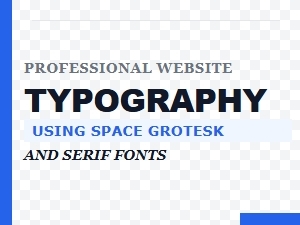 Space Grotesk Paired with Elegant Serifs
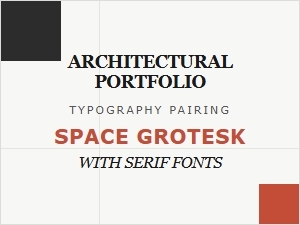 Pairing Space Grotesk with Elegant Serifs
 The Perfect Sans-Serif Pairing for Space Grotesk
 Editorial Elegance with Space Grotesk
 Complementary Sans Serifs for Space Grotesk High Tech Branding
 A Minimalist Pairing with Space Grotesk